
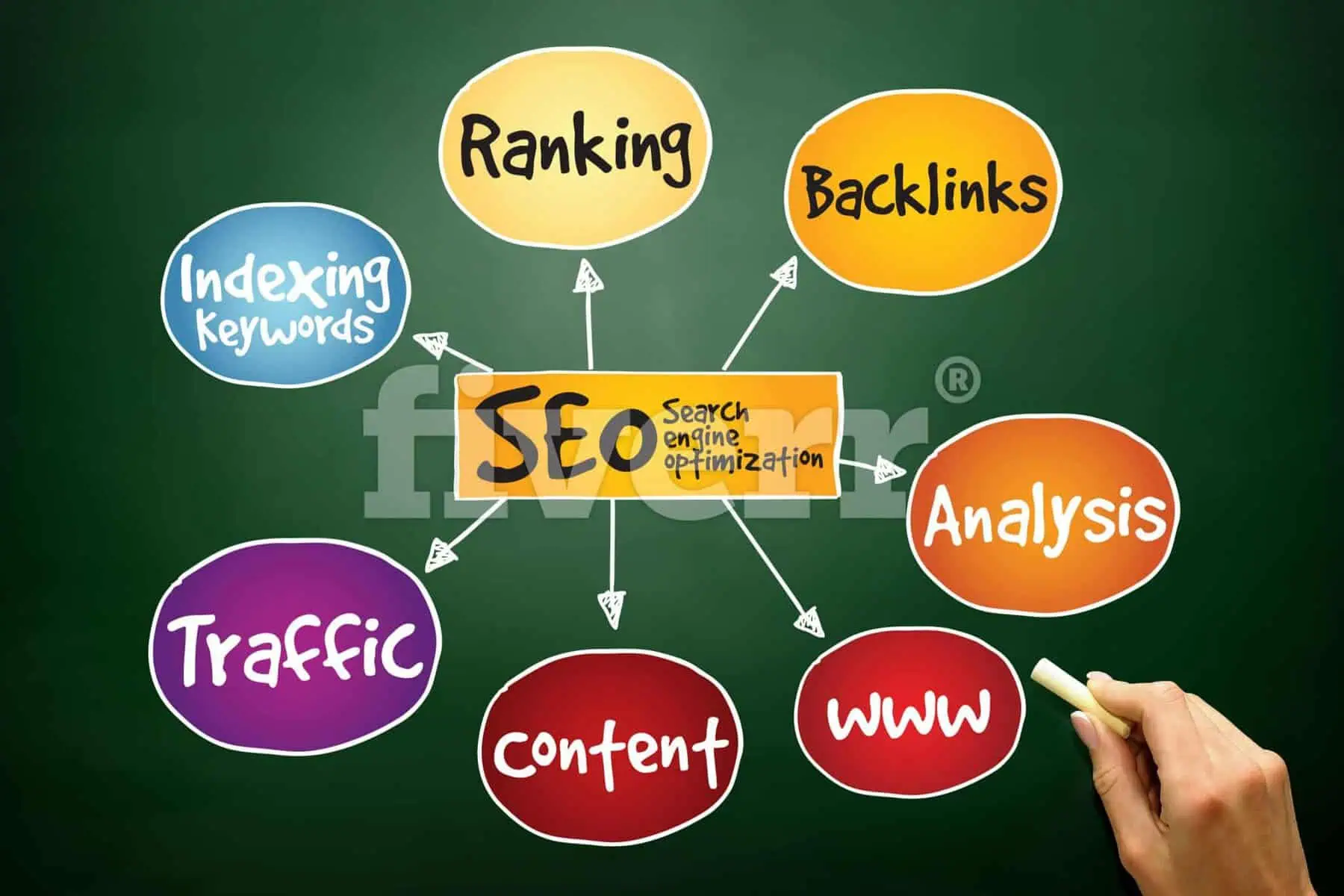
The internet emerged with traces of Search Engine Optimization (SEO), but at the early period, no one would have predicted the impact and popularity it is enjoying so far. Today, SEO influences the everyday life of everyone connected to the internet. Early on, a single keyword with emphasis on ranking was the foundation of SEO, and now this has metamorphosed into brand engagement based on return on investment. Back then in 1991 when Tim Berners-Lee launched the world first website, it was built on barebone structures. In just 25 years, SEO has emerged as a living and adaptive structure that creates relationships.
The growth of SEO has gone from the backroom to the mainstream, rolling over its dubious roots to become a reputable, legitimate and essential tool in a digital marketing strategy. Just imagine SEO evolution as a constant change in fashion which users have to adapt to or go down in ranking. Let’s put it this way; SEO strategies of the early days have become obsolete and unpracticable. In the words of Eric Shiffler as far back as 2014; he opined that “the golden days of instant search engine domination are over and never to come back. Old SEO techniques of yesteryears cannot produce any result.” As a digital marketer, web developer and even simple users of the internet, SEO is a task you have to perform in one way or the other.
To a digital marketer especially, SEO is the route through which they attract the right clients to their wares. Except you efficiently utilize SEO, your business will disappear into online obscurity. Left in a position beyond the reach of consumers.
The Emergence of Search Engines
The increasing number of websites from few college websites less than two decades ago to over 1 billion websites today, this astronomical increase leads to the need for search engines to make websites location easy. Simply put, if there were limited sites like in the early days, there wouldn’t be search engines or the need for optimizing websites as we have it today. Our reliance on search engines has made SEO ubiquitous and essential. The evolution of SEO can be seen developing in several phases and branching out to other key elements such as device usage, social media and link building.
The evolution of SEO can be broadly categorized into several key phases
Personalization and Quality (2013-present): From 2013 onwards, personalization and content quality became the undeniable cornerstones of website ranking. Search engines grew increasingly adept at understanding user intent, rewarding sites that delivered highly relevant and satisfying experiences.
The Early Days (2003-2005): Characterized by a “Wild West” approach, this period saw the proliferation of unethical optimization techniques like keyword stuffing and hidden text. Google’s response was to introduce algorithmic updates aimed at leveling the playing field and prioritizing a user-focused internet. This laid the foundation for ethical SEO practices.
The Middle Age (2006-2009): This era witnessed the rise of more reactive web experiences. The introduction of tools like Google Suggest and improved analytical platforms led to a more focused and targeted approach to SEO, moving beyond mere keyword density.
The Content Revolution (2010-2012): A significant shift occurred with a strong emphasis on quality content and its direct impact on user engagement. This period underscored the importance of providing valuable, relevant information.
Key Branching Elements of Modern SEO
Beyond algorithmic shifts, several other elements have profoundly influenced SEO’s trajectory:
Devices Usage
Initially, SEO was heavily geared towards desktop users. However, with the explosive growth of mobile devices – smartphones and tablets now accounting for around 8.24 billion connections globally – mobile search has surpassed desktop. This seismic shift necessitates a strong focus on mobile optimization, including:
- Responsive Design: Websites must adapt seamlessly to various screen sizes.
- Fast Loading Times: Mobile pages must load within 2 seconds to retain user attention, as users quickly abandon slow-loading sites.
- App Optimization: For businesses with mobile applications, optimizing for app store visibility and in-app user experience is crucial.
Social Media
Before Facebook, Twitter, and Instagram, an online presence was basically via email and few instant messaging services, the horizon of SEO was limited to these few areas.
However, this is 2017, and everyone has social media presence. Thus, neglecting social media in the scope of SEO can spell doom for your business. Today, Social Media and SEO are twin siblings that must be considered for equal attention as they are equally important.
In reality, modern day SEO rely most of the time on social media to drive home the content since that is where you will find everyone. For maximum exposure, the right direction is to focus on social networks.
Link Building
Links have always been a critical determinant of search engine ranking. However, the nature of link building has evolved from quantity-driven strategies to a focus on quality. In the modern SEO landscape, high-quality content coupled with authoritative and relevant backlinks is the winning combination. This means earning links from reputable sources, rather than acquiring them through dubious means, to build genuine authority and trustworthiness.
The AI Revolution: Search Everywhere Optimization
The most recent and profound transformation in SEO is being driven by Artificial Intelligence. AI is not just another update; it’s fundamentally reshaping how search engines understand, process, and present information. This leads to the concept of “Search Everywhere Optimization,” moving beyond traditional SERPs to a more integrated and conversational search experience across various platforms and formats.
Key AI-driven changes include:
- AI Overviews (formerly Search Generative Experience – SGE): Google is integrating generative AI directly into search results. AI Overviews provide immediate, AI-generated summaries and answers to user queries, often reducing the need for users to click through to external websites. This impacts traditional organic listings by pushing them further down the page. For SEOs, the focus shifts to optimizing content to be included and cited within these AI overviews. This means:
- Answer-Centric Content: Content must directly and concisely answer potential user questions, mirroring conversational AI interactions.
- Structured Data (Schema Markup): Implementing schema markup helps AI better understand and interpret content, increasing the likelihood of being featured in rich results and AI overviews.
- E-E-A-T (Expertise, Experience, Authoritativeness, Trustworthiness): These signals are more crucial than ever. AI algorithms prioritize content from credible sources with demonstrable expertise. Businesses need to double down on first-party research, expert quotes, and authoritative citations.
- Multi-Modal Content: AI excels at understanding and synthesizing information from various formats. Optimizing images and videos for search, and ensuring they support textual content, becomes vital for multimodal search success (e.g., searching with images and text).
- Understanding User Intent and Natural Language Processing (NLP): AI, through machine learning and NLP, allows search engines to understand the nuances of human language and true user intent, not just keywords. This means:
- Semantic Search: Algorithms prioritize the context and meaning behind queries, rather than just exact keyword matches.
- Conversational Queries: Voice search and AI assistants encourage longer, more natural language queries. SEOs must optimize for these conversational patterns.
- Entity SEO: The shift moves from keyword-focused optimization to an “entity-first” approach. This involves optimizing for concepts, relationships between ideas, and the overall context of a topic, allowing AI to connect disparate pieces of information more effectively. Building comprehensive content hubs around broader topics with strong internal linking is key.
- Personalized Search Results: AI algorithms analyze user history, preferences, and behavior to deliver highly personalized search results. This means the “one size fits all” SEO approach is less effective; content needs to resonate with specific user segments. Predictive Analytics: AI-powered tools can analyze vast datasets to forecast search trends, identify emerging topics, and uncover hidden opportunities, enabling businesses to proactively tailor their strategies. Zero-Click
- Searches: With AI Overviews providing direct answers, there’s a rise in “zero-click” searches where users find the information they need without visiting a website. This challenges traditional click-through rate (CTR) metrics and emphasizes the need for content to be comprehensive enough to satisfy queries within the search results themselves, while still enticing users to click for deeper engagement.
The Future of SEO in an AI-Driven World
The future of SEO is undeniably intertwined with AI. While the landscape will continue to evolve rapidly, several core principles remain constant and become even more critical:
- Focus on Value and Quality: Creating unique, helpful, and high-quality content that genuinely addresses user needs will always be paramount. AI algorithms are designed to reward content that provides real value and demonstrates expertise.
- User Experience (UX) is King: With AI enhancing search, the user journey from search query to content consumption needs to be seamless. Fast loading times, mobile-friendliness, clear navigation, and engaging content will significantly impact how AI algorithms perceive and rank a site.
- Adaptability and Agility: The rapid pace of AI advancements means SEO strategies must be agile and responsive. Marketers need to continuously monitor algorithmic changes, adapt their content creation, and refine their optimization tactics.
- Beyond Rankings to Pervasive Visibility: The emphasis shifts from solely aiming for the #1 “blue link” to ensuring content is visible and accessible across various AI-driven search experiences, including AI Overviews, knowledge panels, voice assistant responses, and other future “search everywhere” touchpoints.
- Ethical Optimization: The lessons from SEO’s early days still apply. Strict adherence to ethical optimization practices, focusing on building genuine relationships with users and other authoritative sites, will yield long-term success. Avoiding manipulative tactics is crucial, as AI systems are becoming increasingly adept at detecting and penalizing them.
In essence, SEO is transforming into Search Everywhere Optimization, blending traditional SEO principles with a strong focus on user experience and the intelligent capabilities of AI to ensure content is discoverable and impactful across the entirety of the digital landscape. For digital marketers, web developers, and even casual internet users, understanding and adapting to this AI-driven evolution is not just an advantage, but a necessity for thriving in the ever-expanding digital ecosystem.